
Key Takeaways
|
“For creators and brands, your bio link is your digital front door—everything you want your audience to see, experience, and act on goes through there.”
— Alex Zaccaria, Co-founder, Linktree
What are Bio Links? – An overview
Bio-Link is a relatively new concept. It emerged in 2023, when content creators, online businesses, and social media influencers searched for an innovative way to maximize the benefits of a limited “link-in-bio” feature on platforms like Instagram and Facebook (which at the time allowed only one link in users’ bios).
Since most of these users had multiple online footprints, such as different social media profiles, websites, and blogs, bio-links provided a feasible solution to help their audience visit their various pages through a single landing page.
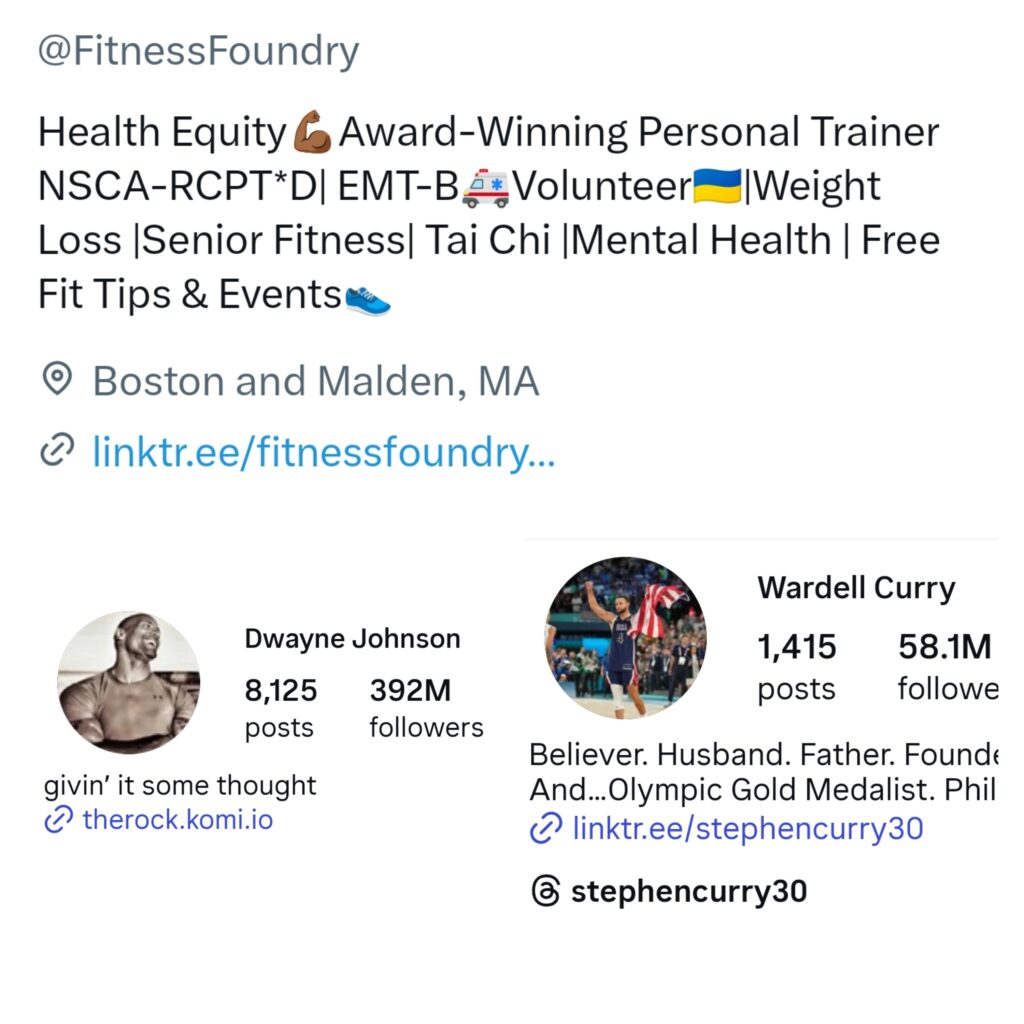
These “link-in-bio” tools helped users create a customized landing page that acts as their personal mini-website. It provided their visitors with an aggregated pool of links leading to various internet destinations, all in one place. The ease and utility of such landing pages also bypassed the need to create a stand-alone website, especially for small content creators or businesses.
Who can benefit from a bio-link?
Anyone who has multiple digital footprints and wants a tool that directs their audience/customers/followers from one platform to a source page where they can access the user’s content across all other platforms can use a bio-link.
For example: If you are a professional photographer and have a large follower base on Instagram, you can use a bio-link tool to create a landing page and invite your Instagram followers to check out the following by clicking on your bio-link.
- Profile or Content on social media sites like Twitter, Facebook, YouTube, etc.
- Personal website / Business Website
- Newsletter subscription link / Toolkits
- Merchandise on different platforms like Amazon, Pinterest, or your website
- Contact Page
- Blogs on WordPress or Medium, etc.
- Appointment / Bookings Page
- Google Map Listing
The list is endless. Whatever you wish to highlight about yourself, your content, and your business, you can add them to your bio-link landing page, if it’s already somewhere on the internet.
User-Categories: Who Should Use Bio-Links?
Since bio-link landing pages are capable of aggregating your entire online presence at one destination, they act as your profile page for the internet. Its customizability ensures that you have complete control of what gets highlighted or removed from this profile. We have identified three broad categories of users, who can benefit the most through bio-links.
I. Content Creators & Influencers: This includes content creators on any social media channel, blogging website, or video content websites. While small content creators find bio-links beneficial as they save them the cost of maintaining a dedicated, customized website, even big-time content creators, celebrities, and influencers have started using bio-links for their various benefits, including conversion and enhanced engagement.
For this category of user, Bio-Link serves as a great promotional tool, a merchandise sales funnel, and simply a way to connect with their followers more efficiently.
II. Businesses & Brands (of all sizes)
The growing significance of bio-links was not lost to businesses and brands. Small brands, such as cottage industries, household businesses, and bootstrapped start-ups, find this tool immensely helpful as a marketing and conversion tool. Meanwhile, large B2C businesses and retailers have seen significant sales revenue growth after incorporating this tool into their playbook.
Many businesses are utilizing this quick and efficient way of connecting with interested prospects by offering them bio links for appointments, bookings, consultation calls, and service/product descriptions on landing pages.
III. Freelancers, Entrepreneurs & Skilled Professionals
Professionals offering services such as music shows, massage therapists, tarot card readers/astrologers, financial advisers, fashion designers, real estate agents, graphic designers, physical fitness coaches, life coaches, chefs, and educators have also found bio-linking a promising tool for growth and expansion on the internet. Whether they are job seekers who want to display their portfolio, skills, and certifications, or students who want to highlight their skills, bio-links serves their purpose well.
Similarly, freelancers and budding entrepreneurs who seek cost-effective ways to showcase their online profiles and market their products or services also find Bio-links immensely helpful. These platforms help them get a professional online presence, connect with larger communities for networking, and perform marketing analytics with ease.
How Do Bio-Links Build a Strong Online Presence?
Let’s take a look at the fundamental benefits of bio-links to understand its use-cases for your unique requirements better.
- Ease of Use: Most brands and individuals have a wide-ranging online presence today. They are simultaneously active on various social media and video-sharing platforms, professional networks, and their own websites. Additionally, consider their presence on third-party product aggregators, online marketplaces, and project hosting websites, such as Pinterest, Behance, or Dribbble. Bio-links allows you to bring these together, creating a customizable and shareable online profile for them.
- Real-time insights: Bio-link tools enable you to analyze user engagement data and see exactly what your visitors are doing on your landing page. This includes data on which links are receiving the most attention and which links are being overlooked. This provides you with the crucial data to make informed changes to your business/content strategies, as well as valuable insights into your audience’s interests.
- Insight into Content Performance: Since most online sales, subscriptions, and deals are based on one or another form of content, your bio-link tool data also helps you identify which type of content is working best. Thus, Bio-Links help you take strategic marketing decisions.
- Keeping a Tab on Your Precious Followers: Most bio-link tools would allow you to see where your traffic comes from. Suppose it’s your followers from a particular social network. In that case, you can also check whether they are clicking on the links in your landing page. This helps you figure out your followers’ preferences across different social networks and expectations of you or your brand. It also acts as a tool to measure your influence among your target audience by checking the results of your calls-to-action (CTA).
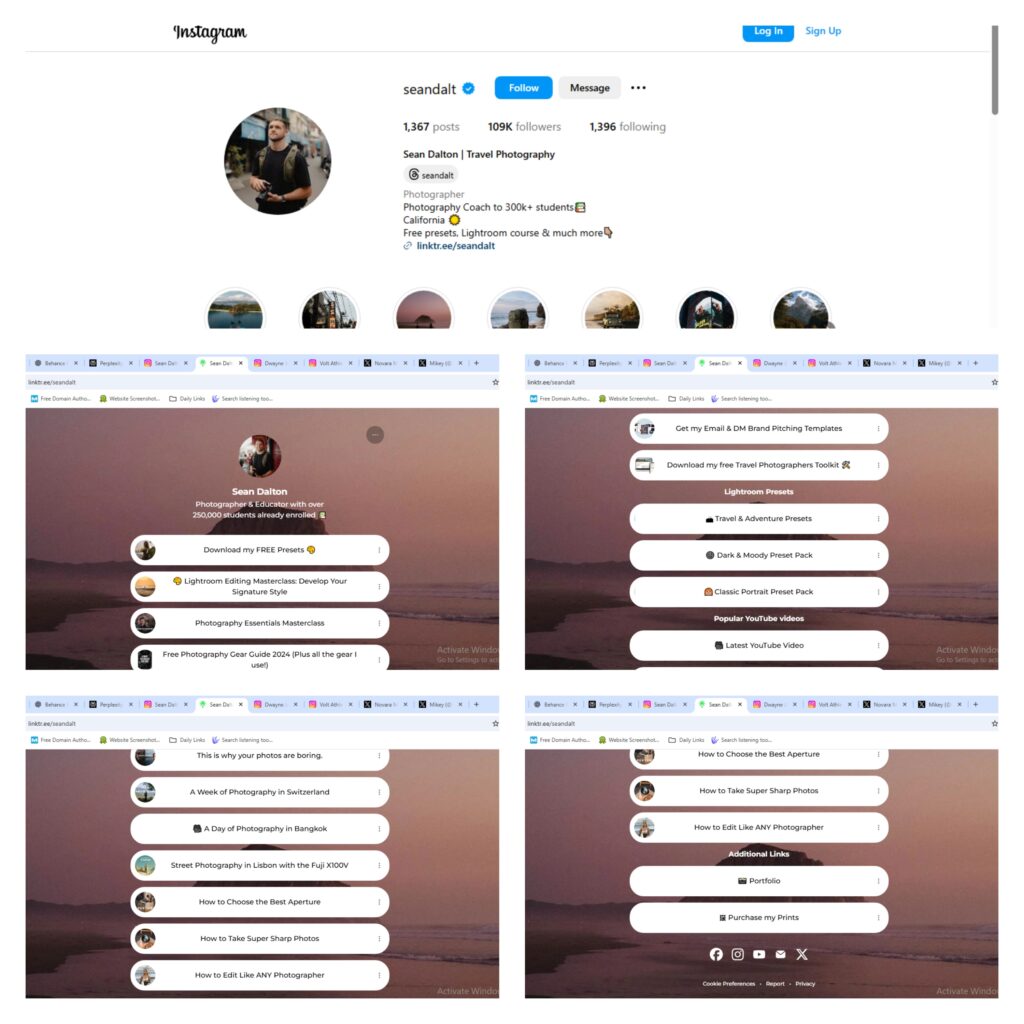
- Access to Advanced Features: Bio-Link tools are innovating fast. In 2024-25, you will have access to new features, including advanced analytics, HQ Audio-Video Integrations, AI Assistance, and E-commerce integrations such as in-app purchases and sales conversion tracking.
- Bypassing platform limitations: Most social media sites, such as Instagram, limit users to including only a single link in their profile bio. A bio-link enables users to circumvent this limitation by creating a comprehensive landing page linked to the bio-link and incorporating it into their platform profile.
(Update: In 2025, Instagram allows up to five links in the user bio space.)
- Directing User’s Journey: Similarly, platforms have limitations on the types of content you can upload. However, on a bio-link landing page, you can create a personalized hub with a mix of features, including shop now CTAs, subscription packages, deals and discount offers, latest videos, latest images, and contact information. You can also choose to showcase your best-performing content or products at the top, which helps improve visibility and generate a higher ROI from your content.
- Bypassing Platform algorithms: Since most social media platforms have their own algorithms, it’s the algorithm that guides your audience’s interactions with your content. However, if your audience wants to interact with all your content and other materials, they can do so through your bio link, all at once. This bypasses the dependency of both users and your audience on algorithms.
- Enhanced user engagement, user experience, and higher conversion: A bio-link that leads your audience to a multi-link landing page empowers users to take immediate action by presenting them with additional opportunities to interact with your services, products, newsletters, personal story, brand story, and contact information. This results in better user experience, more conversions, and higher engagement.
- Makes You Stand Out: Most Bio-Link tools have special features that allow you to create a branded landing page with logos, graphics, images, or videos. This significantly improves user experience and makes you stand out from others, by giving your online presence a professional and attractive look.
If you’re looking for an SEO agency in India that specializes in Bio-Link optimization to help you achieve your business goals, SEOTonic offers expert support and cost-effective solutions. Reach out to us today.
Case-Study: Instagram Bio-Link Users’ Trends
Now that we have a deeper understanding about bio-links, let’s see what the trends say about the use of bio-links in Instagram’s user community, in 2024-2025.
[All the facts below are taken from “The State of the Link-In-Bio Market 2025” report published on Nov 19, 2024, by influencers.club. The report is based on the analysis of 100 million Instagram profiles.]
- Bio-Link and Brand Collaborations Co-relation: Instagram has over two billion active users. Out of 100 million content creators selected for the study, 31 million use a bio-link tool. Of these, 55% of creators with more than 50k followers have done at least one brand collaboration project.
- Gender Split: Among the 31 million creators who use bio-link tools, 64% are women and 36% are male.
- Market Size: The report mentions 62 different bio-link tools being used by these content creators. Among these tools, Linktree emerges as the global leader, with the biggest share of 79.95%.
- Country-wise Leaders: USA has the greatest number of Instagram bio-link users (49%) among the selected creator pool.
- Popular Hashtags: The leading hashtags among these bio-link users are – #podcast, #vegan, #fashion, and #travel.
- Business vs Content Creators: Businesses (46.4%) and Content Creators (53.6%) show that bio-link is a crucial tool for both these categories.
Source: Influencers Club
How Bio-Link Boosts Your SEO?
Now let’s understand how bio-link tools can give your SEO a real boost.
- Supporting Your SEO Strategy: Most Bio-links are ‘nofollow’ links, which means they are not directly indexed by search engines, nor do they contribute to increasing domain authority or search rankings, like backlink creation or keyword use. However, it does support your SEO strategy indirectly by creating a central hub for all your major links, which in turn allows interested users to locate your various online assets like websites, social media accounts, video channels, profiles, map & business listings, etc.
This helps increase engagement levels and improves user experience. This positive user behavior signals to search engines the increased value of your brand’s digital footprint. As a result, bio-links contribute to your broader SEO goals by driving traffic and strengthening brand authority by amplifying the reach and discoverability of your SEO-optimized content. - Driving Organic Traffic: Users who click on your bio-link are highly-interested in you/your brand. Thus, bio-links create a stream of engaged users who are more likely to convert fast and drive action. This sends a positive signal to search engines about your brand’s value.
- Retarget Your Audience: Bio-links facilitate cross-channel navigation. Thus, when interested visitors arrive at your landing pages, they are more likely to spend more time exploring your offers, products, services, and websites, thereby generating positive user behavior metrics. These users are valuable traffic, indicating high user satisfaction and relevance to search engines.
- Data-Driven SEO Optimization: Using the analytics features of bio-link tools, you can find out which content works best and conduct data-driven optimization by analyzing CTR, traffic source, and demographic data. In-depth analytics can also help you refine on-page content and create a well-aligned SEO strategy based on different user intents, thereby eliminating guesswork and improving overall performance.
Why Choosing a Good Bio-Link Platform Matters?
A well-indexed bio-link platform is very important. The platform indexing by Google helps consolidate your various links in one place (social media pages, YouTube pages, websites, and Map listings, etc.). This becomes invaluable for Google’s entity understanding, a primary objective of the search engine, which is to comprehend real-world relationships and how different aspects of an entity connect to it.
Through this method, Google can build a comprehensive understanding of your profile’s authority and create a distinct individual identity for you across the web. The recognition strengthens your visibility and improves your brand’s authority signals, which complements your SEO goals.
What Are the Top 10 Bio-link Submission Websites?
To help you choose the right bio-link tool, we have curated a list of ten popular bio-link submission platform along with their special features, limitations and our opinion on their utility.

1. Linktree
About: Launched in 2016, this Australia-based company captured the bio-link market demand swiftly, and today it has the highest market share of 79.5% with over 70 million active users. Its high utility and emphasis on user experience make it an undisputed favorite among creators of all scales. This is reflected in its huge user base of 30 million + creators, multiple high-profile endorsements, and celebrity partnerships with the likes of Stephen Curry and Billie Eilish. It serves as a central hub for all your online links, making it the quintessential bio-link tool for social media.
Key features: Advanced monetization and audience engagement capabilities. Some of its unique features include the ‘Tip Jar’ feature and e-commerce platform integration, which allows users to create Linktree Shops with sales and digital payment capabilities.
Linktree supports rich content like videos, podcasts, music, images, text, etc., with extensive customization options. Its analytics feature is also quite comprehensive, including unique details such as CTR, view time, geo-locations, device type, subscriber growth, and third-party analytics integration (Google Analytics, Facebook Pixel). Additionally, it offers non-analytics features such as SEO optimization, QR code generation, automated Instagram replies, a terms and conditions generator, and team management for large creators.
Plans and Accessibility: Has both free and paid plans. The free plan offers many great features, including a tip jar, Customer Support, and Analytics. It also has apps on iOS and Android.
Verdict: It’s suitable for creators of all sizes and scales, offering them seamless user experience, and allows brands and businesses to leverage social media for sales and engagement through advanced monetization features. However, the free plans offer limited customization features.
2. Bitly
About: Founded in 2008, Bitly came under the spotlight due to its URL shortening service which became popular among Twitter users. Since then, it has expanded into a comprehensive utility service and marketing platform offering features like detailed analytics, branding, and retargeting features. This makes it a go-to-choice for businesses. Although its primary application is link shortening, it can also serve as an effective bio-link tool for businesses and individuals who require rich analytics and want to create branded links.
Key features: Shortened links and QR codes for beyond-digital-only channels.Allows users to build custom domains and create custom QR codes with color, frame, and logo placements. Customized landing pages, and link-in-bio pages with many branding and design options. It also provides detailed analytics.
Plans and Accessibility: Primarily offering high-priced paid plans, with free plan having only a few features. Advanced analytics and custom domain features are unavailable in free plans. It has a mobile app.
Verdict: It’s great for businesses, but costly for individual creators or small businesses if they want access to the complete feature range.
3. Trello
About: Originated in 2011, with prototype name ‘Trellis’. Trello is known for its Kanban-style boards (visual project management tool), and focuses primarily on collaborations and task management. Trello can be creatively adapted to create a powerful bio-link that leads to a simple landing page or public board, showcasing projects and services and providing visitors with crucial information about your profile. It can be used to create bio-link, project dashboard, and landing pages. Trello can be used for bio-link creation if the focus is on workflow integration and project showcasing (branding) rather than sales, content management, or audience engagement.
Key features: Advanced project management tools, including features such as Dashboard, Timeline, Map, Automation, AI for content generation & brainstorming, and robust security features like two-factor authentication.
Limitations: No monetization or integrated e-commerce features. No bio-link analytics capabilities. Very few visual customization options. Uses cloud-based solutions for data storage, which raises security concerns, and the Kanban methodology has a high technological threshold.
Plans and Accessibility: Unlimited project board on paid plans. 10 boards (projects) per Workspace on free plans. Integrated Slack, teams, etc., and offers unlimited storage space. iOS, Android, and desktop apps available.
Verdict: Most suitable for teams collaborating on small to mid-size enterprise-level projects, or professional showcasing projects through bio-links. It’s not useful for influencers, content creators, and brands looking to monetize their online user engagement or through social media.
4. Behance
About: Founded in 2025, it was acquired by Adobe in 2012 and integrated with the Adobe Creative Cloud ecosystem. Behance is hugely popular among designers, as it focuses on creating a dynamic and intuitive environment for creators’ portfolios, workflows, and collaborations within the Adobe ecosystem. With over 50 million users globally, it hosts millions of projects and is the leading platform for self-marketing, social networking, and portfolio showcasing, especially for creative professionals. While Behance is not a traditional link-in-bio tool, it serves as a comprehensive bio-link creation platform for visual creatives, directing traffic to their entire work portfolio.
Key features: Seamlessintegration with Adobe Creative Cloud Applications like Photoshop, Illustrator, etc. It also introduced a monetization feature in 2021, which includes a subscription option for selling services and courses. Supports Crypto wallets and allows unlimited projects and media uploads. Its wide community base allows users and creators to interact and benefit from networking opportunities. Other key features include online portfolios, job boards, social networking, and detailed analytics.
Limitations: A highly competitive and saturated space, making it difficult for new players to stand out.
Plans and Accessibility: It has low entry barriers with respect to technical knowledge. Free and pro subscription plans. Adobe subscription plans can help you obtain good offers and fee waivers. Mobile app is available.
Verdict: Behance is best suited for digital creative professionals, such as graphic designers, UI/UX designers, photographers, animators, artists, and video editors, who want to maintain and share their portfolios within their domain-specific global community.
5. Dribbble
About: Beta-launched in 2009 as a visual snippet sharing platform or virtual gallery, it soon grew into a large community focusing on aesthetically and visually appealing design showcasing. Today, the platform claims to serve over 16 million users (mostly design professionals and creators), helping them promote their skills and portfolios through online showcasing and networking. This also makes it suitable for talent hunters, recruiters, job opportunities, and project collaborations. The website is often referred to as Instagram for designers.
Key features: The features that make Dribble stand out are design challenges, Job boards, talent-matching features, shots (small screenshots of ongoing creations), design podcasts, and customizable portfolio product named ‘Playbook.’
Limitations: It prioritizes design over problem-solving, making it less useful for clients looking for in-depth processes through a creator’s bio-link. Also, the absence of invoice management, direct payments, a mobile application (resulting in a web-first approach), and storytelling features limits Dribble’s capabilities as compared to other bio-link creation tools.
Plans and Accessibility: Has a free plan that allows browsing, connecting with designers, and showcasing projects for free. It also offers a Paid ‘Pro’ plan, which includes benefits such as ranking boosts, ad-free browsing, advanced analytics, and a Webflow subscription.
Verdict: It’s beneficial for designers, professional design creators (including graphic designers, UI/UX designers, illustrators, animators, and product designers), as well as offering job opportunities and collaborations. However, lack of monetization features makes it less valuable to content creators and businesses.
6. About.me
About: Founded in 2009, About.me focuses on helping freelancers, entrepreneurs, and skilled professionals create a strong online identity. Thus, it has become quite popular as a personal branding tool equipped with robust bio-link services. It primarily serves as a personal web hosting service, where users can link multiple online identities from external sites and social media platforms. Detailed analytics reports, live stats, and visitor information support the bio-link services. Additionally, features like image/video testimonials and embedded videos make it a great tool for conversion.
Key features: Its key features include lead capture, data collection (such as emails), appointment scheduling, and direct integration with Google services. Additionally, it allows generating unique signatures, customized CTAs for profile visitors, and purchasing or connecting custom domains.
Limitations: Limited availability of customization and design options. Unavailability of e-commerce platform integration.
Plans and Accessibility: Offers free and paid plans. The free plan excludes the analytics feature and includes a custom signature, free bio-link generation, and the ability to build a profile page. All others feature come with the paid subscription plan.
Verdict: The platform is a powerful direct business conversion tool, especially for freelancers, service-based professionals, consultants, and small firms looking to acquire new clients and manage bookings through bio-links.
7. Flowcode
About: Created in 2019, Flowcode focuses on how brands and businesses interact with customers. It offers unique services, such as creating Flowpages, which are mobile-optimized landing pages with dynamic and highly customizable QR codes. It’s a popular option for large brands working on large-scale projects.
Key features: It generates first-party data for its users, empowering their digital marketing strategy. It helps users track offline engagement, API integrations, and provides sophisticated analytics and key insights into audience engagement. Flowcode also allows media embeds, customer support, and conversion tracking.
Limitations: It emphasizes providing niche solutions as compared to more general bio-link platforms, which focus on content aggregation.
Plans and Accessibility: Limited options in free plans, which do not include bulk code creation, allow two dynamic QR codes, and analytics for QR 500 scans. The premium plans are relatively high-priced, allowing up to 5 codes, 50 landing pages, analytics for QR codes with 600 scans, and additional customization options for codes and profiles. There is no mobile application for this platform.
Verdict: Flowcode is quite valuable for businesses and marketers as it provides first-party data that can be integrated in their digital campaigns for better results, monitoring, and strategic innovation. However, its pricing options and niche solutions outlook make it a premium marketing tool that focuses on large brands, instead of individual content creators, entrepreneurs, or product marketers.
8. Wattpad
About: Released in 2006, it is ideal for social networking, storytelling, and sharing written content. It has a huge user base of 500 million users. It also hosts over 665 million stories in more than 50 languages. Interestingly, a little more than half of its users are females, with a large share (up to 80%) being Gen Z and Millennials. (Source: YA Reading and Writing Trends from Wattpad’s 60 Million Users) Its successful media adaptation features make it a powerful content discovery and talent-rewarding platform, as many stories featured on it have been adapted into TV dramas and movies. Wattpad is a content creator (storytelling) friendly platform, but does not allow marketing or product sales.
Key features: Interactive mobile-friendly story-publishing. A large community of authors and readers. Various writer programs for talent development and paid collaboration opportunities. Prohibits AI-generated content.
Limitations: The platform works on the principle of personal and non-commercial applications. This makes it less valuable for product sales or any advertisement, limiting its potential as a bio-link tool for monetization or product promotions. Additionally, it lacks customization features and in-depth analytics to track content performance.
Plans and Accessibility: The application is primarily mobile-first, with 80% of traffic coming from mobile devices. The platform offers free trials and paid plans for readers.
Verdict: It’s a great platform to create your Author’s Bio, join the literature community, and allow the world to discover your talent potential. Also, it helps readers find great content. However, its limitation to the publishing and writing domain does not make it a great choice for marketers, audio-visual content creators, or businesses.
9. AllMyLinks
About: Founded in 2017, the platform is a great bio-link creation tool for content creators and businesses. Its no-cost plans are great for entry-level creators or businesses, presenting a clear trade-off: simplicity and zero-cost services for limited reach, limited data analytics, and fewer customization options.
Key features: Committed to being free and 100% ad-free. Allows monetization through sale of links or funding campaigns.Supports PayPal and Venmo payment integrations, QR code generation and click-stream analytics. Supports social media integration and link management.
Limitations: The customization, monetization, and e-commerce integrations options are few when compared to some other bio-link tools and platforms. Some reports have highlighted its susceptibility to malware, riskware, and phishing attacks.
Plans and Accessibility: Completely free link-in-bio tool. All features of the paid plan are available in the free plan, albeit with usage limitations, which effectively makes the free plan a free trial.
Verdict: Its approach to providing free centralized link management service makes it great for entry-level creators and businesses.It has paid and free plans.
10. Linkly
About: The platform was founded in 2019. It started primarily as a link shortening and link tracking tool. Since then, it has expanded to include features like bio-link creation, link management, QR code generation, and retargeting. Its special features include expiring links creation, automation tools, fast link creation, and search engine plug-ins for Chrome and Firefox. Additionally, it offers link cloaking services, visual analytics reports, and Google Analytics integration.
Key features: Offers custom domains, and retargeting for platforms like Meta Pixel and X Custom Audiences. Google Analytics integration and analytics dashboard. QR code generation feature makes it valuable for product marketing and conversions.
Limitations: Reports have been noted regarding slow customer support, higher price tags, low Domain Authority links, an outdated user interface, high spam scores, and browser compatibility issues.
Plans and Accessibility: Has free and paid plans. Free plans offer up to 1000/clicks per month and a total of 10 links. This includes five years of data retention and multiple-user support. Paid plans are divided into three categories: Starter, Pro, and Premium.
Verdict: Suitable for digital marketers, businesses, and content creators with global link-management requirements. It’s special URL shortening feature, which is highly useful for branding, building custom domains, and tracking performance levels. The platform is highly useful for optimizing digital campaigns, and getting data on user behavior across various digital touchpoints.
Conclusion
Bio-Links are force multipliers for your online presence, marketing campaigns, and user engagement initiatives. They also indirectly contribute to improving your brand’s SEO. Many options have emerged in the bio-link submission arena, which offer different sets of advantages, features, and limitations. Therefore, it is crucial that before you select a bio-link tool, you must ascertain all your present and upcoming requirements to choose the right bio-link platform. These platforms have the potential to enhance your SEO, and assist you with digital marketing, campaign management, and analytics-based strategic innovations. Some key aspects to consider when selecting the right bio-link submission website are your domain, business type, and the scale of your business/campaign. Additionally, you should also review the platform’s pricing models, customization features, analytics tools, e-commerce integrations, monetization capabilities, and link management features to make an informed choice.
If you found this article helpful, check out the SEOTonic Blogs for more expert insights on SEO and digital growth. SEOTonic’s professional SEO services in India are dedicated to helping our partners achieve measurable results and realize their business objectives by establishing a compelling digital presence.